A clog is an event: someone flushed something they should not have, the cable pulls it out, and the drain is fine for years. A drain that keeps backing up is different. That is a condition. Something inside the pipe keeps catching waste, and clearing it just resets the clock.
Is yours a condition?
Count how many of these apply:
- The same drain or main line has backed up more than once in 12 months.
- The time between backups is getting shorter.
- Several fixtures drain slowly at the same time.
- Toilets gurgle when the washer drains or the tub empties.
- It was cleared recently and is slow again within weeks.
- There is a sewer smell in the yard or along the foundation.
Two or more checks, and you are paying to manage a symptom.
The five usual causes, and what clearing does to each
| Cause | What it is | What clearing does | What actually fixes it |
|---|---|---|---|
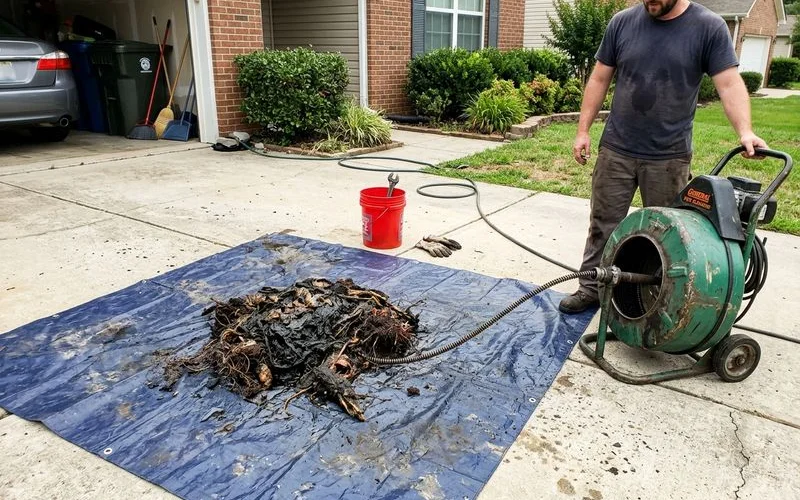
| Roots | Roots enter at joints and grow into a mat | Cuts a channel; roots grow back | Jetting to cut back, then lining or repairing the joints |
| Grease | Kitchen fats coat the pipe wall as they cool | Cable punches a hole; the coating stays | Hydro jetting to scrub the wall |
| Belly (sag) | A low spot where the pipe settled | Stirs up sludge, which settles back | Excavate and reset the slope |
| Offset joint | Sections shifted out of line, leaving a lip | Clears the snag; the lip stays | Spot repair, sometimes lining |
| Scale or corrosion | Mineral buildup or rust narrowing the pipe | Little effect on hardened buildup | Jetting, or replacement if the pipe is too far gone |
Why these show up in Yuma lines
Older neighborhoods. Homes in the older central grid often still have clay or cast iron laterals. Clay joints let roots in from mature yard trees, and cast iron corrodes into a rough interior that catches paper and debris.
Moving ground. Near irrigated land and in heavily watered yards, soil goes through wet and dry cycles. That movement creates sags and pulls rigid joints apart.
Hard water. At 18 to 22 grains per gallon, scale builds in drain lines too, especially where hot water from dishwashers and washers cools in the pipe.
Seasonal swings. A winter home’s kitchen line can sit dry all summer, then clog in the first weeks of heavy cooking when the owners return. And when the area’s population swells in winter, lines that were marginal get pushed harder.
A belly cannot be snaked away
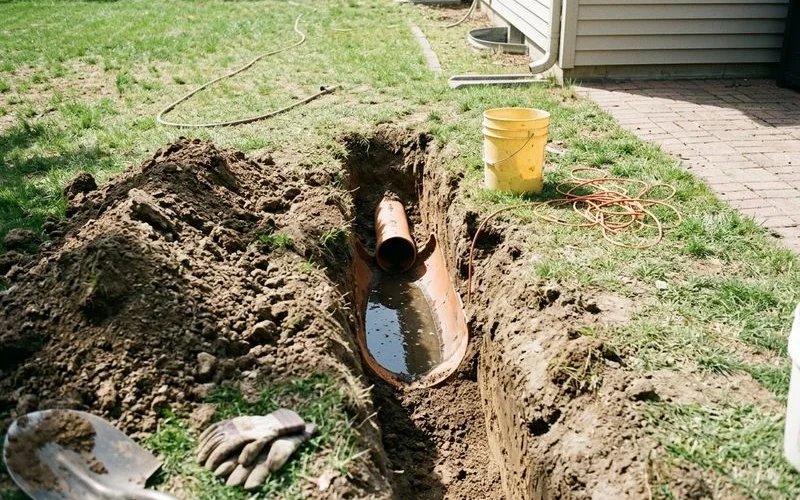
If the camera shows standing water across the pipe for several feet, no amount of clearing will fix it. The sludge settles right back into the low spot. The pipe has to be reset to the right slope.
What the camera changes
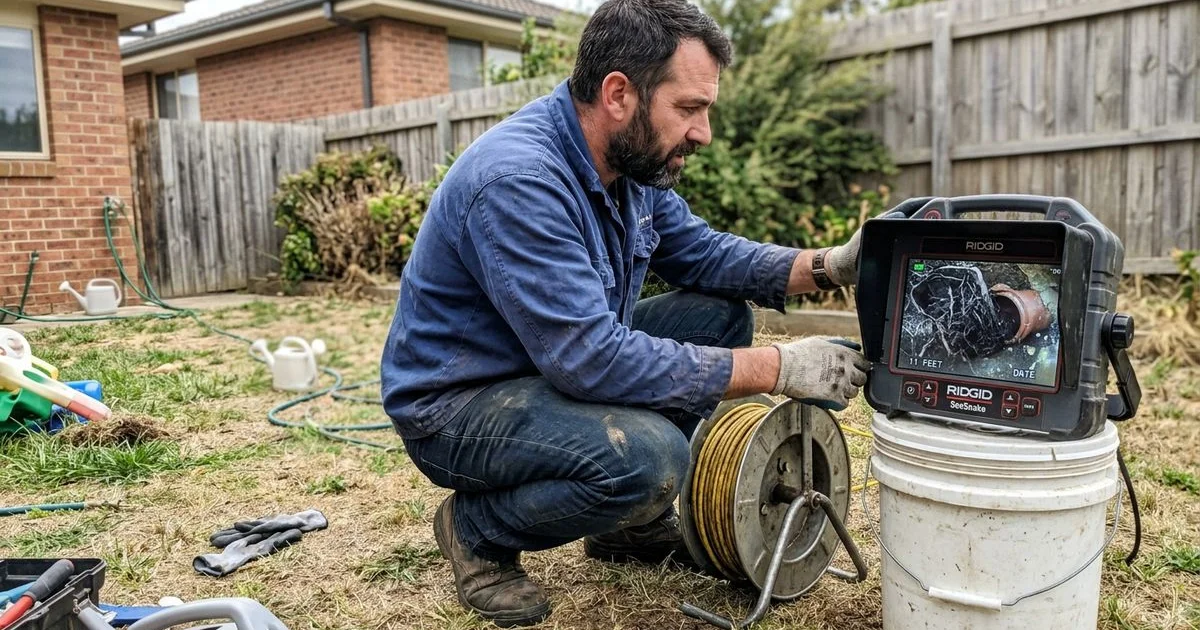
A camera goes in through the cleanout and shows the inside of the line live on a monitor. You see what the plumber sees: roots at the second joint, a ledge where two sections shifted, a stretch of standing water. A transmitter in the camera head is tracked from the surface so the exact spot and depth can be marked with paint.
Sometimes the camera shows a clean pipe. That is valuable too: the backup really was a one-time event, and nobody should be selling you a repair. Our guide on what a sewer camera inspection finds shows what each problem looks like on screen.
The fix-once math
You do not need exact prices to see the pattern. Each clearing costs a visit, and on a line with a real defect, clearings keep coming, often closer together. A camera inspection is a one-time diagnostic that tells you whether you need maintenance jetting, a spot repair, or nothing at all. Meanwhile, a cracked line keeps leaking wastewater into the soil and letting soil in, so the problem tends to grow. Fixing it at the “twice a year” stage is almost always cheaper than waiting for a collapse.
Next step
If your drain keeps backing up, ask for a camera on the next visit, not a fourth clearing. Our drain cleaning service includes camera inspection. Call Yuma Plumbing Pros at any hour, in English or Spanish, and tell the assistant how many times the line has backed up and when. Request a free estimate and ask about any service call fee before booking.